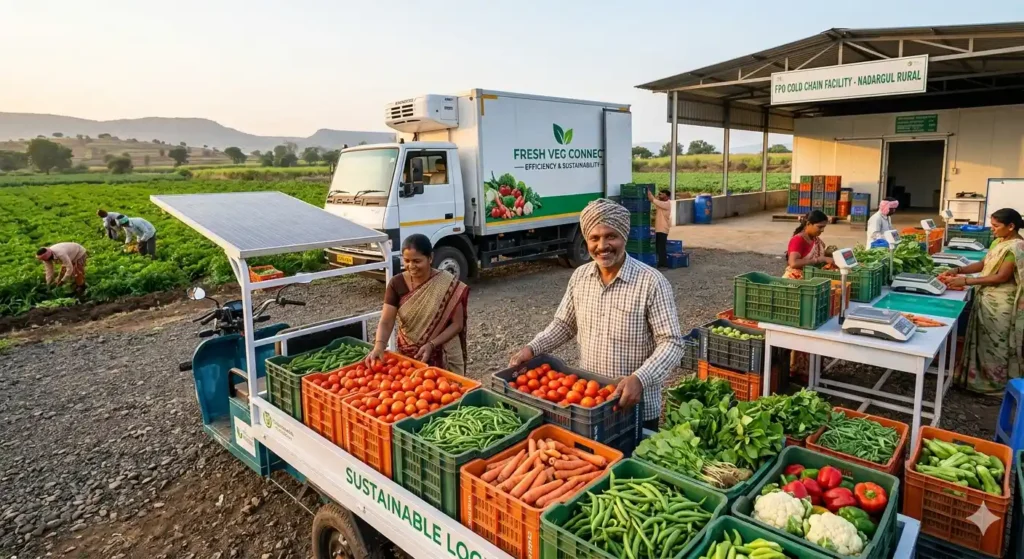
Fresh vegetables are one of the most important components of daily nutrition, yet the systems responsible for delivering them from farms to markets remain highly complex. From cultivation to consumption, vegetables pass through multiple stages including harvesting, sorting, transportation, wholesale trading, and retail distribution. Each stage influences freshness, quality, and final pricing.
As demand for fresh produce continues to grow globally, improving vegetable supply chains has become essential. Efficient systems not only reduce waste but also improve farmer income and ensure consistent availability of high-quality vegetables in the market.
Understanding the Flow of Vegetables from Farm to Market
Vegetable supply chains begin at the farm level, where crops are cultivated based on seasonal cycles and local demand patterns. Once harvested, vegetables must be quickly transported to markets to preserve freshness. Delays at this stage can reduce both quality and economic value.
After reaching wholesale markets, vegetables are distributed to retailers, restaurants, and consumers. This entire process requires coordination between farmers, traders, logistics providers, and buyers.
Challenges in Traditional Vegetable Supply Systems
Traditional vegetable distribution systems often face inefficiencies such as poor transportation planning, lack of storage infrastructure, and limited market information. These issues lead to higher spoilage rates and unpredictable price fluctuations.
Farmers may also face difficulties in accessing accurate market data, making it harder to decide when and where to sell their produce. As a result, they may not receive fair value for their crops.
Importance of Market Transparency
Transparent pricing and reliable market information are critical for improving agricultural systems. Daily mandi rates help farmers, traders, and buyers understand current price trends and make informed decisions.
Access to accurate data reduces uncertainty and helps stabilize vegetable markets. It also allows businesses to plan procurement and distribution more effectively.
Reducing Food Waste Through Efficient Distribution
Food waste is a major challenge in fresh vegetable markets. Vegetables that are not sold quickly may spoil and lose their market value. Improving logistics, storage, and coordination between supply and demand can significantly reduce these losses.
Efficient distribution systems ensure that more produce reaches consumers while minimizing waste. This leads to better utilization of resources and higher profitability across the supply chain.
Role of Technology in Modern Agriculture
Technology is playing an increasingly important role in transforming vegetable supply chains. Digital platforms provide real-time price updates, demand forecasting tools, and communication channels between farmers and buyers.
These tools help improve decision-making and enable faster, more efficient distribution of fresh produce.
Global Perspective on Agricultural Efficiency
International organizations emphasize the need to improve supply chain efficiency and reduce post-harvest losses. The Food and Agriculture Organization of the United Nations supports initiatives that strengthen food systems and improve farmer livelihoods worldwide.
By adopting better practices and technologies, agricultural markets can become more resilient and sustainable.
Supporting Structured Vegetable Sourcing
Organized sourcing systems play a key role in improving supply chain efficiency. By connecting farmers directly with buyers, these systems reduce delays and improve quality control.
For structured sourcing and reliable fresh vegetable supply, visit Annadata Krishi Shop .
The Future of Fresh Vegetable Supply Chains
The future of vegetable markets depends on efficiency, transparency, and collaboration. Farmers, traders, logistics providers, and technology platforms must work together to build systems that reduce waste and improve productivity.
As global demand for fresh produce continues to grow, investing in organized supply chains will be essential for ensuring food security and supporting agricultural development.
Fresh vegetables represent more than just agricultural products. They reflect the efforts of farmers, the coordination of supply systems, and the foundation of healthy communities. Strengthening these systems ensures that value is preserved from the farm to the final consumer.