The agricultural sector is evolving rapidly as businesses and consumers demand fresher, higher-quality vegetables with greater consistency. Traditional supply chains, often dependent on multiple intermediaries, are increasingly being replaced by more structured and efficient sourcing systems. These modern systems focus on speed, transparency, and direct connections between farmers and buyers.
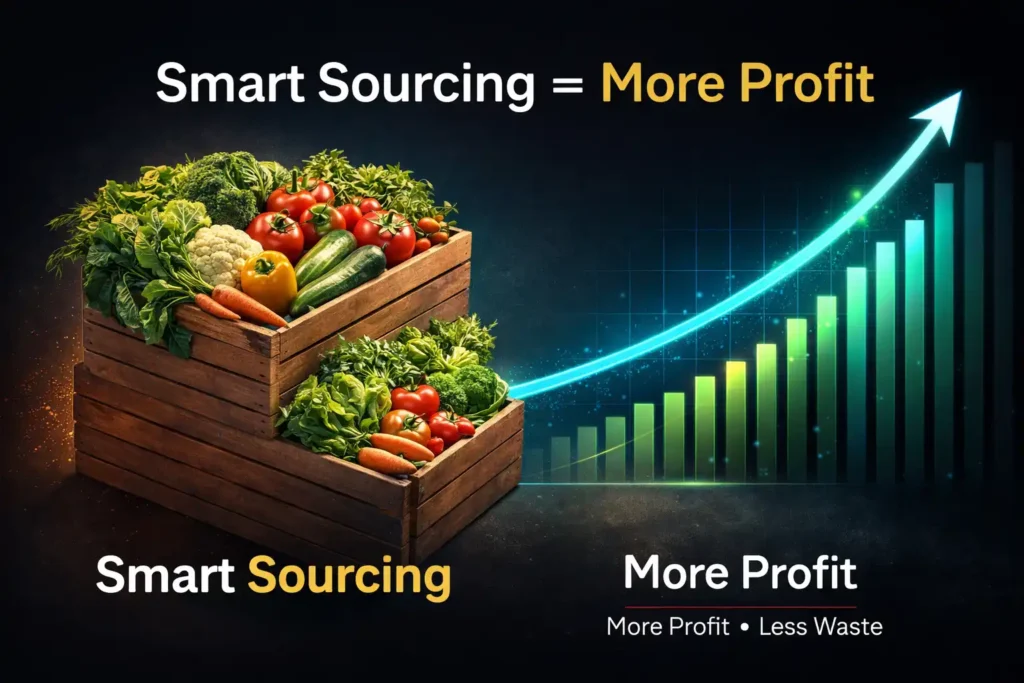
For vegetable traders, retailers, and hospitality businesses, smart sourcing has become a key factor in improving profitability. By optimizing procurement strategies and reducing inefficiencies, businesses can achieve better margins while maintaining quality standards.
Understanding Smart Vegetable Sourcing
Smart sourcing refers to the strategic procurement of vegetables based on demand, pricing trends, and supply availability. Instead of relying solely on traditional market purchases, businesses analyze market data and build direct relationships with suppliers.
This approach helps reduce dependency on fluctuating market conditions and ensures a more stable supply of fresh produce.
Challenges in Traditional Procurement Methods
In conventional supply chains, vegetables pass through multiple intermediaries before reaching the final buyer. Each stage adds cost, increases handling time, and raises the risk of spoilage. This often leads to higher prices and inconsistent quality.
Additionally, price volatility in wholesale markets can make it difficult for businesses to plan procurement effectively.
Benefits of Smart Sourcing for Businesses
By adopting smart sourcing strategies, businesses can significantly reduce procurement costs. Direct connections with farmers or organized suppliers eliminate unnecessary margins and improve pricing control.
Smart sourcing also ensures fresher vegetables, as produce is delivered quickly after harvest. This improves product quality and customer satisfaction.
Using Market Data for Better Decisions
Access to real-time market data allows businesses to make informed purchasing decisions. Daily mandi rates, seasonal trends, and demand patterns provide valuable insights for planning procurement.
Data-driven sourcing reduces the risk of overpaying and helps businesses maintain stable profit margins.
Reducing Waste and Improving Efficiency
Food waste is a major challenge in vegetable distribution. When procurement is not aligned with demand, excess stock can spoil quickly.
Smart sourcing helps reduce waste by ensuring that businesses purchase the right quantity at the right time. This improves efficiency and maximizes resource utilization.
Global Perspective on Efficient Supply Chains
International organizations highlight the importance of efficient sourcing systems in agriculture. The Food and Agriculture Organization of the United Nations emphasizes that better supply chain management can reduce losses and improve food security.
Adopting structured sourcing practices can help build more sustainable and resilient agricultural systems.
Structured Vegetable Sourcing Solutions
Organized sourcing platforms provide businesses with reliable access to fresh vegetables. These systems ensure consistent quality, transparent pricing, and efficient delivery.
For reliable and structured fresh vegetable sourcing, visit Annadata Krishi Shop .
The Future of Smart Vegetable Procurement
The future of vegetable sourcing lies in data-driven decision-making, direct supply models, and improved logistics systems. Businesses that adopt these practices will gain a competitive advantage in terms of cost, quality, and reliability.
As the market continues to evolve, smart sourcing will become essential for sustainable growth in the agricultural sector.
Fresh vegetables are not just a product but a value chain that connects farmers, businesses, and consumers. Optimizing this chain through smart sourcing ensures better outcomes for everyone involved.