Fresh vegetables are an essential part of a healthy diet, yet many consumers today rely on stored or long-supply-chain produce without realizing the impact on nutrition and quality. As vegetables move through extended supply chains, they often lose freshness, taste, and vital nutrients before reaching the consumer.
Understanding the difference between fresh and stored vegetables is important for making better food choices. Choosing fresh produce not only improves health but also supports efficient agricultural systems and local supply networks.
What Defines Fresh Vegetables?
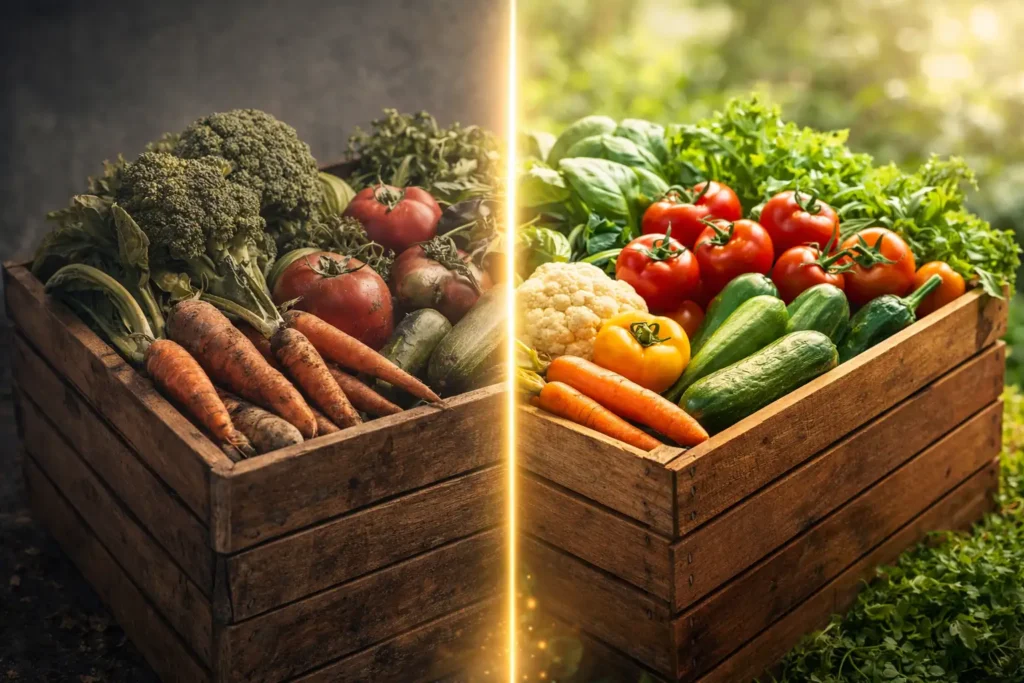
Fresh vegetables are those that are harvested recently and reach consumers within a short time frame. They retain their natural moisture, texture, and nutritional value. These vegetables are typically vibrant in color, firm in texture, and rich in taste.
In contrast, stored vegetables are often kept in cold storage or transported over long distances, which can reduce their quality over time.
Nutritional Benefits of Fresh Vegetables
Fresh vegetables are rich in vitamins, minerals, and antioxidants that are essential for maintaining good health. Nutrients such as vitamin C and certain antioxidants begin to degrade soon after harvesting.
Consuming vegetables soon after harvest ensures maximum nutritional benefit, which supports immunity, digestion, and overall well-being.
Impact of Storage on Vegetable Quality
Long storage periods can affect both the taste and nutritional value of vegetables. Exposure to temperature changes, moisture loss, and handling during transportation can lead to deterioration.
Stored vegetables may appear visually acceptable but often lack the freshness and flavor of recently harvested produce.
Why Fresh Vegetables Taste Better
Fresh vegetables have higher water content and retain their natural sugars, making them taste better. This improves the overall quality of meals and enhances the dining experience.
Restaurants and households that use fresh vegetables often notice a significant difference in flavor and texture.
Health and Lifestyle Advantages
Regular consumption of fresh vegetables supports a healthy lifestyle. They help in maintaining energy levels, improving digestion, and reducing the risk of lifestyle-related diseases.
Fresh produce also encourages better eating habits and contributes to long-term health benefits.
Global Perspective on Fresh Food Consumption
Organizations such as the Food and Agriculture Organization of the United Nations emphasize the importance of fresh food systems in improving nutrition and reducing food waste globally.
Efficient supply chains that deliver fresh vegetables quickly can significantly enhance food quality and sustainability.
Choosing the Right Vegetable Source
Selecting a reliable source for fresh vegetables is essential for maintaining quality. Consumers and businesses should prioritize suppliers that ensure fast delivery and minimal storage time.
For reliable and fresh vegetable sourcing, visit Annadata Krishi Shop .
The Future of Fresh Vegetable Consumption
As awareness grows, more consumers are shifting toward fresh and locally sourced vegetables. This trend supports farmers, improves food quality, and promotes sustainable agricultural practices.
Choosing fresh vegetables is not just a dietary decision—it is a step toward a healthier and more sustainable future.
Fresh vegetables represent the foundation of healthy living. By prioritizing freshness over storage, consumers can enjoy better nutrition, improved taste, and a stronger connection to the agricultural system.